
Corporate events are not just formal meetings, but strategic chances for companies to build stronger relationships, convey brand values, and create an impression that will stay on the minds of clients, partners, and stakeholders. A business dinner that has been conducted successfully reflects professionalism, credibility, and attention to detail. This is where a corporate event becomes essential.
Corporate event planning incorporates a range of activities like setting goals, decor, catering, and guest flow management to ensure that each aspect of the event functions harmoniously. Even well-meaning corporate dinners can feel unorganized or forgettable without proper planning. This guide outlines 7 essential tips for corporate event planning to help businesses host structured, professional, and memorable corporate dinners.
1. Establish Specific Goals
Successful dinners starts with clear objectives. Determine the purpose of the corporate dinner before choosing a venue or decorations.
Common objectives include:
- Enhancing customer connections
- Celebrating company milestones
- Networking with industry professionals
- Organizing executive or stakeholder meetings
Aligning corporate event planning with business goals ensures that the event produces measurable value rather than functioning as a simple social gathering.
2. Develop a Step-by-Step Timeline
A structured timeline is critical to effective a successful occasion. Timelines help avoid last-minute rushes and ensure every task is completed efficiently.
Important milestones:
- Finalizing the guest list and sending invitations
- Confirming vendors and service providers
- Setting up the venue and stage
- Scheduling speeches, dinner service, and networking
Time management in corporate event planning ensures the smooth execution of the business dinner without delays or confusion.
3. Select the Right Venue for Corporate Dinners
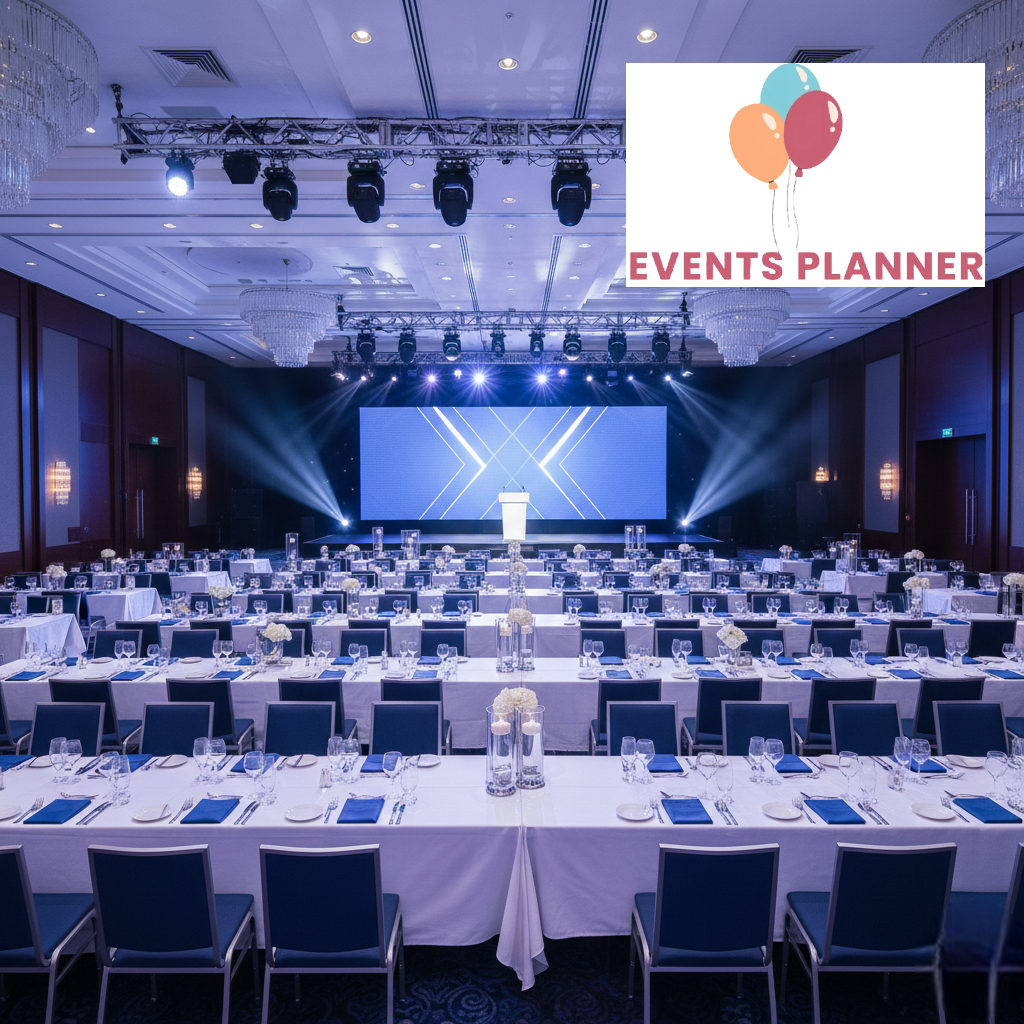
Choosing the venue is a major factor in corporate event planning success. The location should meet the formality and purpose of the business dinner.
Critical venue requirements:
- Seating comfort and capacity
- Parking and accessibility
- Lighting and acoustic facilities
- Space for stage, branding, and catering
Corporate event planners consider both functionality and aesthetics to ensure professional facilitation and guest comfort.
4. Corporate Event Planning Professional Services Matter
Hiring professional services can turn a mediocre dinner into a highly refined experience. Professionals handle logistics, coordination, and execution efficiently.
Typical services include:
- Vendor management (catering, decor, audiovisual)
- Event setup and teardown
- Guest management and flow coordination
- On-site supervision
Professional corporate event planning allows businesses to focus on interaction while leaving operational responsibilities to experts.
5. Dinner Decor and Ambiance Planning
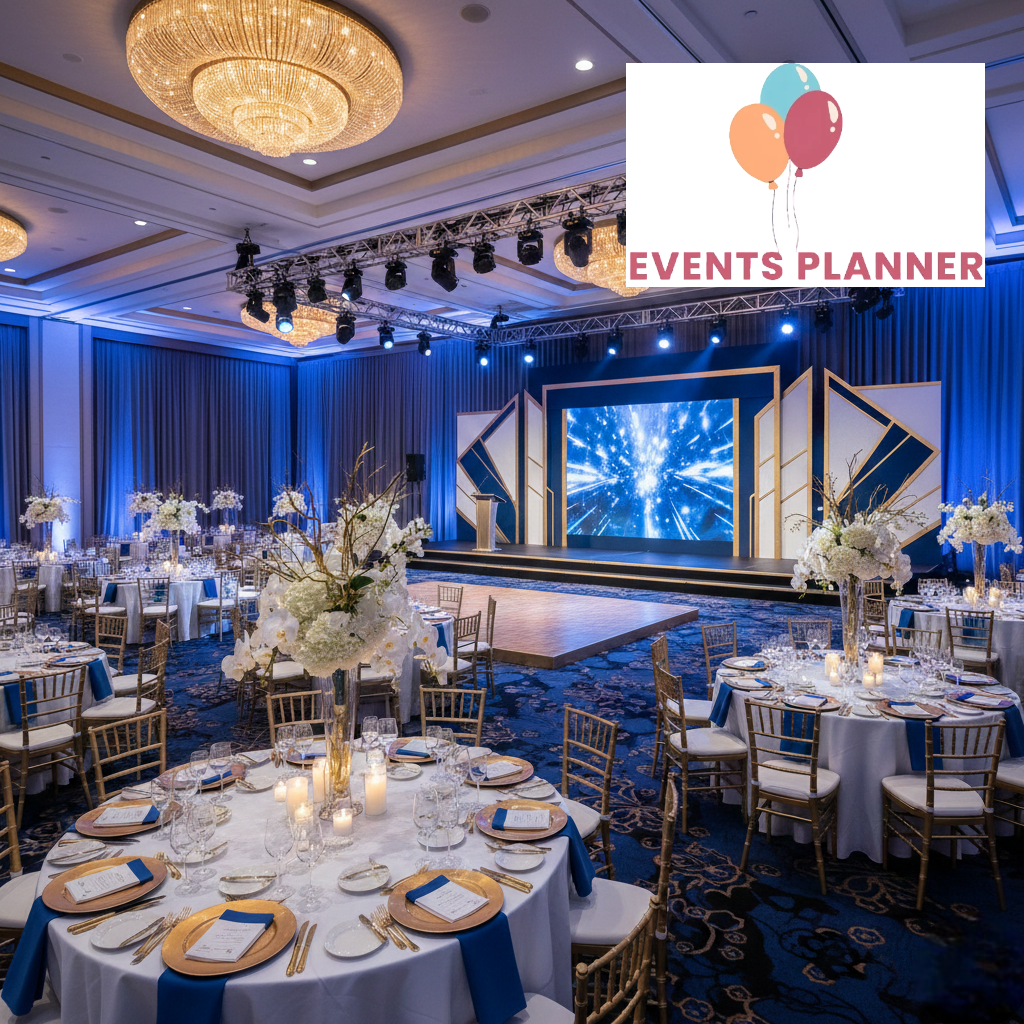
Visual presentation is an essential part of corporate event planning. Decor should complement the professional atmosphere of the business dinner.
Effective decor elements:
- Balanced table layouts with proper spacing
- Neutral color schemes with subtle branding accents
- Appropriate lighting to create a classy ambiance
- Minimal, elegant stage and background designs
Corporate event planning ensures the decor supports conversation, comfort, and brand perception.
6. Menu Planning and Catering for Corporate Events
Food service is one of the most memorable aspects of a business dinner. Corporate event planning involves careful menu selection to cater to diverse preferences while maintaining quality.
Key considerations:
- Balanced menu options
- Dietary accommodations
- Timely service coordination
- Presentation and hygiene
Corporate event planning ensures catering complements the event schedule and enhances the guest experience.
7. Guest Engagement and Experience Strategy
- Organized registration or welcome reception
- Comfortable seating with clear visibility
- Structured networking opportunities
- Smooth transitions between speeches and dinner service
Thoughtful corporate event planning keeps guests engaged, comfortable, and positively connected to the hosting brand.

Frequently Asked Questions
Q1: What does corporate event planning entail?
A: Professional corporate event planning involves organizing business-related events, including dinners, meetings, conferences, and celebrations in a structured manner.
Q2: Why is corporate event planning important for companies?
A: It helps businesses present a professional image, strengthen relationships, and ensure smooth execution without operational issues.
Q3: How early should corporate event planning begin?
A: Ideally, several weeks before the event to allow for coordination, vendor booking, and program structuring.
Q4: Can corporate event planning be personalized?
A: Yes. Planning is tailored to business objectives, guest profiles, and event scale.
Q5: What does a corporate event planner manage?
A: Logistics, decor, catering coordination, timelines, and on-site execution.
Conclusion
Corporate dinners are valuable opportunities to demonstrate professionalism, foster trust, and strengthen business relationships. Structured planning ensures every element—from venue selection to guest experience—is executed flawlessly.
Professional corporate event planning transforms business dinners into meaningful, well-organized experiences that reflect brand credibility and attention to detail. Following these essential tips will help companies host corporate events that are not only successful but also impactful and memorable for all participants.